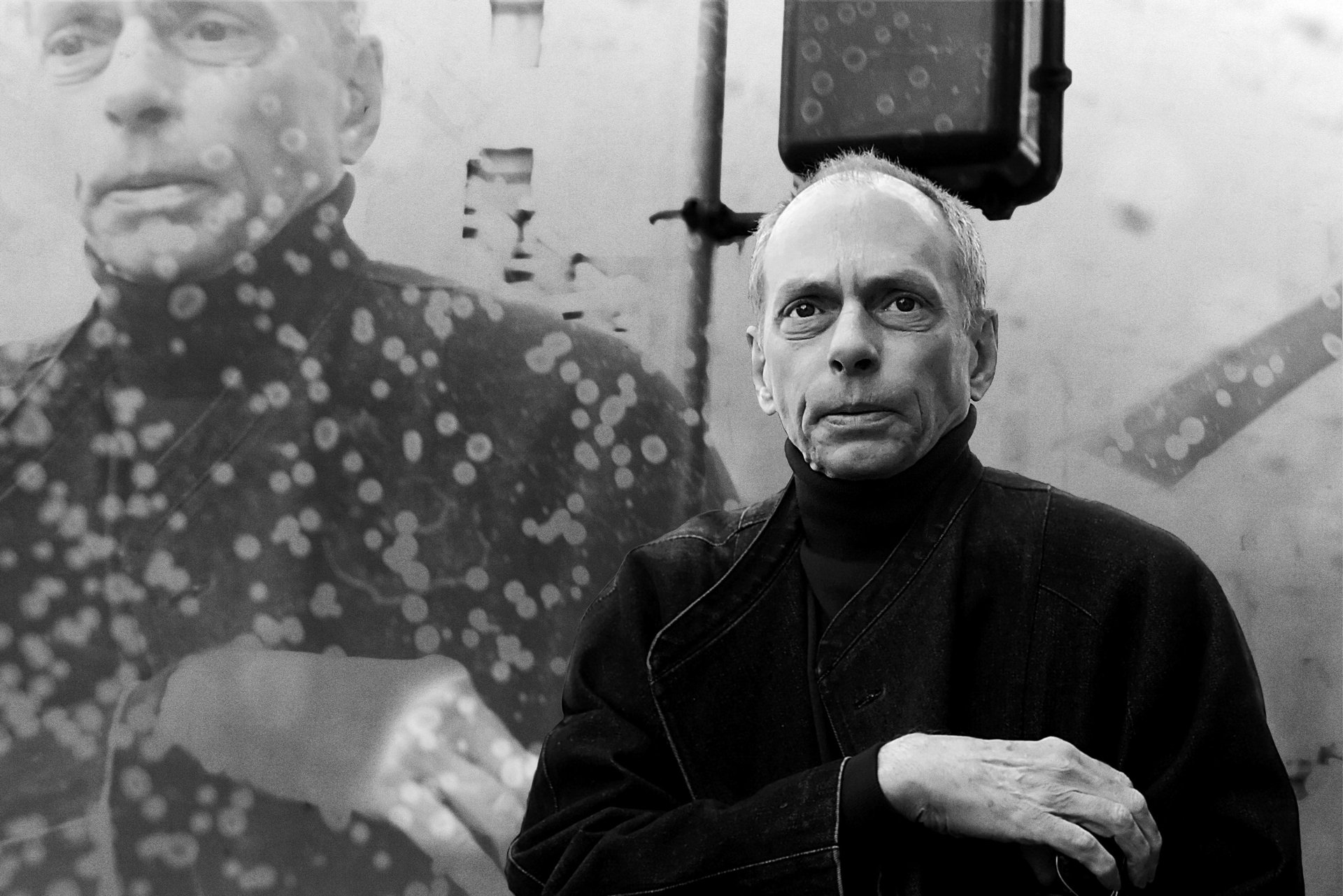
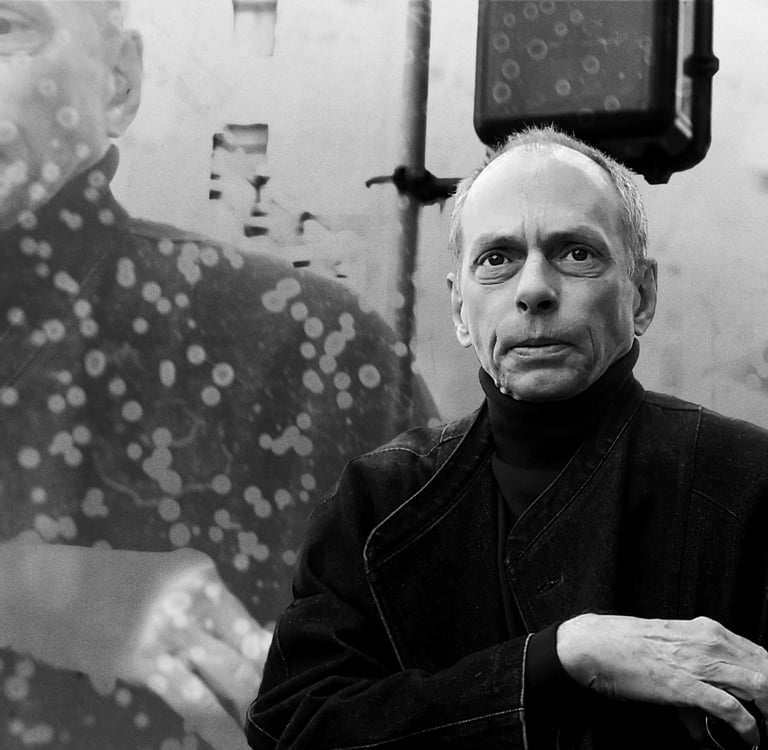
Someone passes you on the street. 4:17 pm. It's a cloudy April day. You glance at the person, at their face, and you feel an inexplicable tenderness. Why? You don't know. Sometimes you react this way—feeling this tenderness, this connection—and sometimes you don't. If you do, you also feel a little forlorn: you're not likely to ever see this person again. "Love at last sight," Walter Benjamin called it. They'll never know that they elbowed their way into your thoughts. Instead, the picture keeps changing; other people enter your field of vision, and what burned itself so distinctly on your retina, for one brief moment, is replaced—gradually, methodically.
It crosses your mind that this recipe for love depends on the inevitability of loss. It helps, too, that what passes between finding and losing someone is often a mere instant. It’s like a dream that recedes as soon as it’s recalled. You walk on, resisting the urge to turn around; and before memory's board gets wiped clean, you can’t help but tell yourself a tale—imagining what it might feel like to be someone other than yourself. Isn’t that one reason why people live in cities—to be close to people they don’t know, to garner anonymity without suffering too much loneliness? That's you, in a nutshell. You've never really known how to gauge what distance to take with people: a life-long problem. That’s probably why you take photographs. Sometimes it’s enough simply to hold one in your hands—a flat, rectangular token of this strange intimacy.